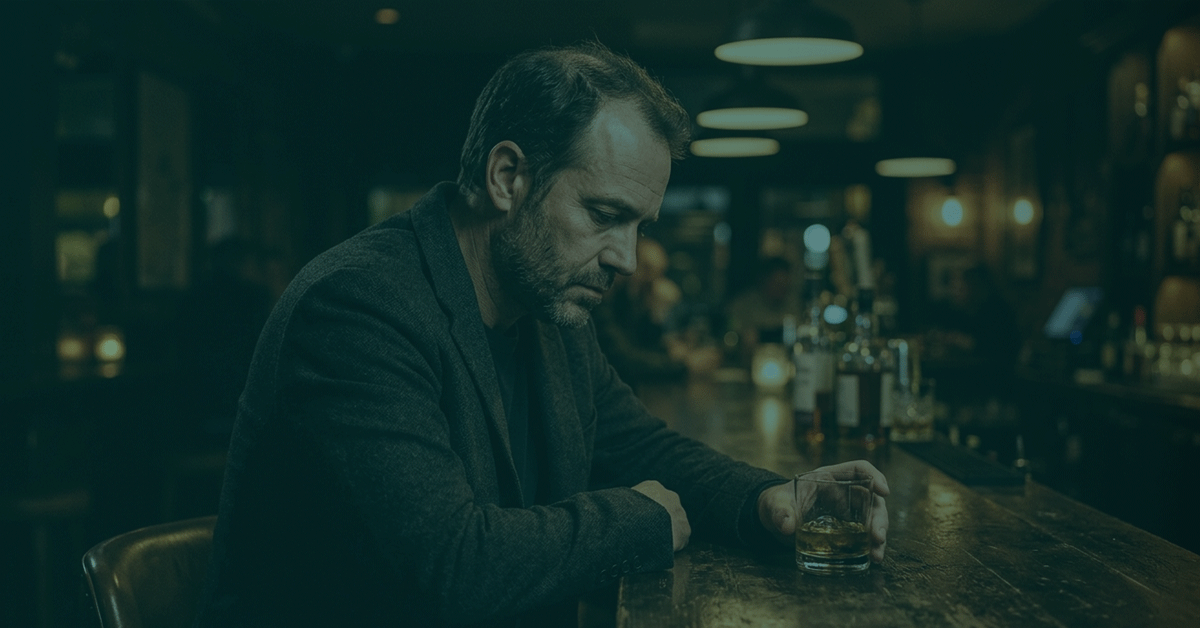
Alcohol and Hair Loss
You’ve noticed more hair in the shower drain. Maybe your part looks wider, or your hairline seems further back than it used to be. And somewhere in the back of your mind, you’re wondering whether your lifestyle — the Friday night drinks, the weekend wine, the habit that helps you unwind — could be to blame.
It’s a fair question, and you’re not alone in asking it. Alcohol is one of the most commonly discussed lifestyle factors in conversations about hair health, and yet the answer is more nuanced than a simple yes or no. The reality is that heavy, chronic alcohol use can contribute to hair loss — but so can the nutritional deficiencies, hormonal changes, and stress patterns that tend to accompany it. Understanding the difference matters because it changes what you should do next.
If you’ve already been exploring your options and wondering whether a hair transplant might be right for you, our guide to FUE hair restoration is a good place to start. But first, let’s look at what alcohol actually does — and doesn’t do — to your hair.
Does Alcohol Cause Hair Loss?
The short answer is not directly… in most cases. Alcohol itself doesn’t attack your hair follicles. But heavy, prolonged drinking creates a cascade of physiological effects that can absolutely accelerate or worsen hair thinning — especially if you’re already genetically predisposed.
Hair growth depends on a steady supply of nutrients, balanced hormones, and consistent blood flow to the scalp. Alcohol disrupts all three. It’s also worth noting that hair loss is rarely caused by a single factor. When alcohol enters the picture, it often amplifies other contributing causes — stress, poor sleep, inadequate diet — rather than acting as a standalone trigger.
The research on this topic comes largely from studies of individuals with alcohol use disorder (AUD), where the effects are most pronounced. But even moderate-to-heavy social drinking — consistently exceeding the recommended guidelines of one drink per day for women or two for men — can create subclinical nutritional and hormonal imbalances that affect the hair over time.
How Alcohol Disrupts Hair Growth
Nutritional Deficiency: The Hidden Cost of Heavy Drinking
Hair is made of keratin, a protein that requires a constant supply of vitamins and minerals to produce. Alcohol interferes with the absorption and metabolism of several nutrients that are critical to this process.
Zinc is one of the most important. Research has linked zinc deficiency to telogen effluvium — a condition where hair follicles prematurely enter the resting phase of the growth cycle and shed. Alcohol increases urinary excretion of zinc and impairs its absorption in the gut. Biotin (vitamin B7), iron, and folate are similarly compromised by chronic alcohol use. These aren’t minor players: deficiencies in any one of them can push hair follicles out of the active growth phase.
Protein malnutrition is another common consequence of heavy drinking. Even people who appear to eat normally may be malnourished if their liver — compromised by alcohol — can’t properly metabolize the nutrients they consume.
Hormonal Disruption and DHT
For those already susceptible to androgenetic alopecia (the medical term for genetic pattern baldness), alcohol may accelerate the process by influencing hormone levels. The liver plays a central role in metabolizing estrogen and testosterone. When alcohol impairs liver function, estrogen can accumulate in the body — and elevated estrogen can, in turn, affect the balance of androgens like DHT (dihydrotestosterone), the hormone most closely associated with follicle miniaturization and hair loss.
Alcohol also raises cortisol — the body’s primary stress hormone. Elevated cortisol has been shown to disrupt the hair growth cycle by prolonging the telogen (resting) phase. In other words, your follicles spend more time dormant and less time actively growing.
Dehydration and Scalp Health
Alcohol is a diuretic, meaning it increases urinary output and contributes to dehydration. The scalp, like all skin, depends on adequate hydration. Chronic dehydration can make the scalp dry and brittle, which may cause existing hair to break more easily — contributing to the appearance of thinning even when follicle health is intact.
Scalp circulation is also worth considering. Healthy blood flow to the scalp is essential for delivering oxygen and nutrients to follicles. While alcohol initially dilates blood vessels, chronic use can impair circulation and contribute to the kind of low-level vascular dysfunction that doesn’t support optimal hair growth.
How Much Does Alcohol Affect Hair Loss?
This is the question most people really want answered — and the honest answer is: it depends. The degree to which alcohol affects your hair is tied to several factors. This includes how much you drink, how long you’ve been drinking, your baseline nutrition, your genetic predisposition to hair loss, and whether other stressors are present.
Occasional or light drinking is unlikely to cause meaningful hair loss in an otherwise healthy individual. The body can process one to two standard drinks without the kind of systemic disruption described above. It’s the pattern of heavy or binge drinking — sustained over months or years — that begins to compound.
A useful way to think about it: alcohol doesn’t cause hair loss so much as it removes the conditions that prevent it. If your follicles are well-nourished, your hormones are balanced, and your stress is managed then moderate alcohol use probably isn’t your primary problem. But if you’re already losing hair and drinking heavily, alcohol may be accelerating a process that was already underway — and eliminating it could slow that progression.
Signs that alcohol may be contributing to your hair loss:
- Diffuse thinning across the scalp rather than a receding hairline
- Hair loss accompanied by fatigue, brittle nails, or other signs of nutritional deficiency
- Increased shedding that began or worsened alongside a period of heavy drinking
- Hair loss in the context of significant weight loss or poor diet related to drinking
If any of these patterns feel familiar, it’s worth having a conversation with a hair restoration specialist who can look at the full picture.
Can Alcohol Cause Alopecia Areata?
Alopecia areata is an autoimmune condition — the medical term for a type of hair loss in which the immune system mistakenly attacks hair follicles, resulting in patchy, unpredictable shedding. It’s distinct from androgenetic alopecia (pattern baldness) and telogen effluvium (stress-related shedding), and its causes are still being studied.
The direct link between alcohol and alopecia areata is not well established. However, there is growing evidence that alcohol — particularly heavy use — can dysregulate the immune system, increase systemic inflammation, and impair gut health in ways that may influence autoimmune activity. EverydayHealth highlights that some research cites stress and immune dysfunction as known triggers for flares, and alcohol’s effects on both cortisol and immune regulation could theoretically contribute to susceptible individuals.
If you have alopecia areata or a family history of autoimmune conditions, alcohol’s effects on inflammation and immune function are worth taking seriously — even if the direct causal link hasn’t been definitively established in clinical trials.
Will My Hair Grow Back If I Stop Drinking Alcohol?
This is perhaps the most hopeful question in the conversation — and the answer, in many cases, is yes.
If your hair loss has been driven primarily by the nutritional deficiencies and hormonal disruptions associated with heavy drinking, stopping or significantly reducing alcohol intake can trigger meaningful regrowth. As your liver function improves, your body will better absorb and utilize the vitamins and minerals your follicles need. Zinc, biotin, and iron levels can normalize. Cortisol may decrease. The conditions that were suppressing hair growth begin to lift.
Telogen effluvium — the type of shedding most commonly associated with these systemic disruptions — is generally reversible. Most people see improvement within three to six months of addressing the underlying cause, though it can take up to a year to see full results.
The critical variable is the health of your follicles. Hair follicles that have been miniaturized over time by DHT (as in androgenetic alopecia) don’t spontaneously recover just because alcohol is removed. If genetic pattern baldness is the primary driver of your hair loss, lifestyle changes alone are unlikely to fully reverse it — though they may slow progression and improve the quality of hair that remains.
In those cases, medical and procedural interventions — like FDA-approved treatments or hair transplantation — can restore what lifestyle changes cannot.
Steps that support hair recovery after reducing alcohol:
- Restore nutritional status — focus on zinc, iron, biotin, protein, and B vitamins
- Stay consistently hydrated
- Manage stress through sleep, exercise, or professional support
- Give it time — hair cycles are slow, and results take months, not weeks
- Consult a hair restoration specialist to rule out other contributing factors
When Lifestyle Changes Aren’t Enough
For many people, reducing alcohol is one piece of a larger puzzle. If you’ve addressed your lifestyle factors and are still experiencing significant thinning or shedding, the underlying cause may be genetic — and that’s a conversation worth having with a specialist.
Androgenetic alopecia is progressive. The earlier intervention happens, the more follicles can be preserved or restored. The American Academy of Dermatology recommends seeking evaluation sooner rather than later, particularly if the pattern of loss is accelerating.
A thorough consultation at a hair restoration practice will include an assessment of your hair loss pattern, your personal and family history, any contributing lifestyle or medical factors, and a clear explanation of your options — from non-surgical treatments to follicular unit excision (FUE) transplantation.
Take the Next Step at Hair Restoration of Lehigh Valley
If you’re concerned about hair loss — whether lifestyle-related, genetic, or a combination of both — the team at Hair Restoration of Lehigh Valley is here to help you understand what’s happening and what can realistically be done about it. Based in Easton, PA, we specialize in helping patients navigate hair loss with honesty, expertise, and individualized care. We’ll evaluate your hair loss pattern, review your history, and present options that are right for you — without pressure and without guesswork. Book a consultation today and take the first clear step toward understanding — and addressing — your hair loss.


[…] discussed in this context — diet, stress, even drinking habits, as we explored in our piece on alcohol and hair loss — the way you treat your body effects the same hormonal, vascular, and inflammatory systems that […]