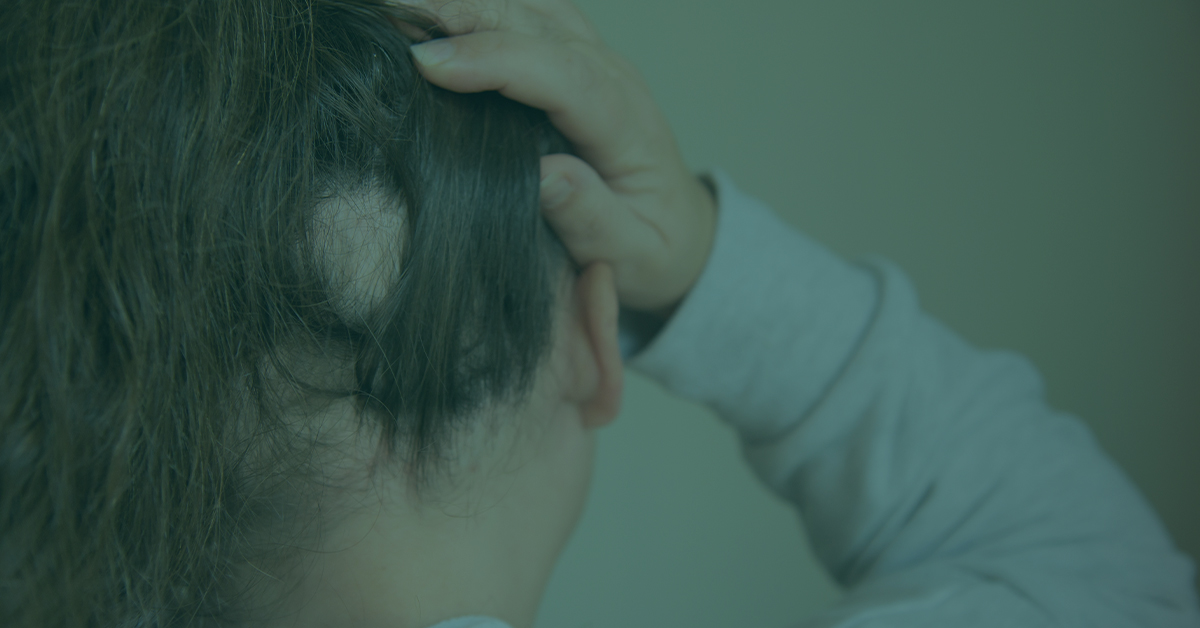
The most common form of hair loss in the United States is age-related hair loss, usually related to genetics. But there is a plethora of illnesses that can also create problems with your hair – some temporary and others permanent. Everything from pregnancy to diabetes to COVID and a lot of things in between impact the way our hair grows and falls out.
What Illnesses Cause Hair Loss?
Because your hair relies on a balance of nutrients, blood flow and healthy hydration, a great many different illness and health conditions can cause hair loss. Here are just a few of the health conditions and illnesses that cause hair loss and why they do it:
Pregnancy causes hair loss because of fluctuating hormones. According to the American Pregnancy Association, “The most common period of hair loss occurs approximately three months after delivery. The rise in hormones during pregnancy keeps you from losing your hair. After delivery, the hormones return to normal levels, which allows the hair to fall out and return to the normal cycle.”
Basically, estrogen increases dramatically during pregnancy, so normal hair shedding is delayed. When those estrogen levels drop after you give birth, your hair starts growing again and in three to four months, you see a lot of hair loss.
The good news is that those hairs are already being replaced, and few people experience balding or thing spots due to pregnancy. However, if you notice excessive hair loss during pregnancy, it is important to consult with your obstetrician as that may be indicative of a vitamin or mineral deficiency.
Thyroid Disease often causes hair loss including noticeable hair thinning. That is because your thyroid helps regulate all those hormones and too much or too little thyroid activity can confuse your hair follicles. Hair loss related to thyroid disease is most common with Hashimoto’s disease, a common type of hypothyroidism, and Graves Disease, a common form of hyperthyroidism.
Chronic Kidney Disease can cause hair loss because it interferes with your body’s ability to hydrate well. In addition, the role of the kidneys is to pull waste out of the blood. When they are not working right, the urea builds up and can negatively impact the ability of the blood to transport nutrients to your hair.
Celiac and other inflammatory bowel disease cause hair loss by depriving the hair of nutrients it needs. Many people with Celiac disease have trouble absorbing the nutrients in their food and that can lead to hair loss.
Other illnesses and diseases that can cause hair loss include anemia, syphilis, and bacterial skin/scalp infections. Additionally, many types of autoimmune conditions can cause partial or total hair loss.
What Autoimmune Disease Can Cause Hair Loss?
Alopecia Areata is the most severe autoimmune condition related directly to hair loss. People with alopecia areata usually lose hair in patches, as celebrity Jada Pinkett-Smith famously discussed. But in even more extreme forms, alopecia areata totalis and alopecia areata universalis, the disease can steal all your hair on your scalp or even your whole body.
What makes this autoimmune condition worse is that it is often an accompaniment to other autoimmune conditions including thyroid disease, lupus, and diabetes.
Diabetes is thought to cause hair loss because of the impact it has on blood vessels. High blood sugar damages your blood vessels and that can prevent blood and nutrients from reaching your hair follicles.
While only Type 1 diabetes is considered an autoimmune condition, both types of diabetes can involve hair loss. “Hair loss can be a symptom of both type 1 and type 2 diabetes and is thought to have a few possible causes, including hormonal imbalances, poor circulation due to hyperglycemia, or an autoimmune disorder,” VeryWell Health reports.
Cancer itself does not usually cause hair loss, but the treatment for it can. The same is true for the very caustic treatments for lupus, multiple sclerosis, and rheumatoid arthritis.
Psoriasis, particularly on the scalp, can lead to hair loss in part because the plaques itch, people scratch and damage hair follicles. In the worst cases, the plaques themselves can damage the scalp and the hair follicle.
Hair Restoration of Lehigh Valley Can Help Diagnose the Reason for Your Hair Loss
With our ARTAS iXi® and NeoGraft® services, Hair Restoration of Lehigh Valley can help you get back your hair. Our staff is here to help you decide what procedures are best for your hair loss. Contact us today to schedule your first step towards better hair.


Leave a Reply