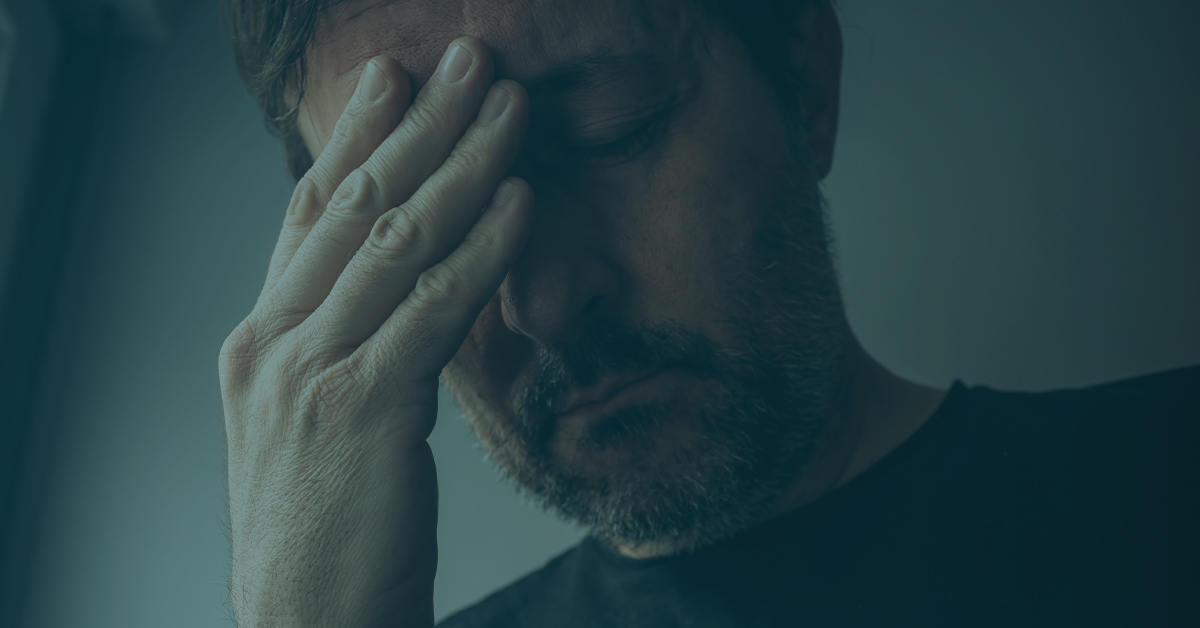
Nothing seems quite as unfair as the idea of losing your hair due to stress, because that in itself is a stressful experience. Understanding how a person’s emotional state can impact the hair’s growth cycle is the first step in managing and hopefully correcting the hair loss.
Can Stress and Anxiety Cause Hair Loss?
While many causes of hair loss stem from genetics, high levels of stress can lead to hair loss. There are three types of hair loss connected to elevated levels of stress:
- Telogen Effluvium – Significant stress forces large numbers of a person’s hair follicles to the resting phase, causing the affected hair to fall out from coming or washing. This is the second most common type of hair loss reported by dermatologists and can happen to people of any sex or age.
- Alopecia Areata – This stems from an autoimmune disease that causes the body’s systems to attack hair follicles. It can be triggered by stress and results in hair loss.
- Trichotillomania – An impulse control disorder known as the hair pulling disorder, it involves an urge to pull out the hair from the scalp and other areas of the body. People affected often find themselves pulling at their hair absentmindedly or without much consideration at all, like when they’re bored or distracted. It becomes even more pronounced under stress as people affected with it use the hair pulling to soothe themselves.
What Does Stress Hair Loss Look Like?
Hair loss presenting as Telogen Effluvium typically looks like thinning patches, typically near the center of the scalp. In extreme cases, a person may notice thinner hair on their eyebrows or genital area. In extreme cases of alopecia areata stress, called alopecia universalis, hair is lost from the entire body.
Hair loss on people with trichotillomania tends to be most noticeable when they have pulled from the eyebrows, eyelashes, and scalp. It being noticeable can cause more stress and perpetuate the cycle of the disorder. Research suggests the disorder may be genetic, though no cause is clear.
Can Stress Cause Hair Loss and Will It Grow Back?
The answer to this important question is yes in many cases. Hair loss from stress is generally temporary. Once the body’s stress levels are reduced back to their normal levels then hair should start to regrow. The exact amount of time varies, but it should be either several weeks or a few months as the body returns to its normal cycles.
How Can I Stop My Hair Falling Out Due to Stress?
The difficult answer is that managing anxiety and stressors is one of the most important things that can be done to help with this. Easier said than done, of course. Here are several stress-management options that may help you find a solution that works for you:
- Exercise is a great way to remove stress. It can start off light with daily walks and work up to doing yard work or going to the gym.
- Start a hobby. It helps to have something else to do other than think about everything that stresses you out. Volunteer work, gardening, or painting miniatures are great ways to reduce stress.
- Writing. Jot down a few things each day. It can help to write about your feelings and put the things that cause you stress to paper. Reviewing what you write about may even lead to ideas about how to cope.
- Rest. Making sure you are not suffering from sleep deprivation is as good for your hair as the rest of you.
- Breathing and meditation. Forcing yourself to sit and have a quiet moment can be the toughest thing of all, but taking a moment to focus on the present can be helpful in stress management. Some people combine their breathing techniques with exercise like tai chi and yoga.
Hair Restoration of Lehigh Valley Is Your Source for Hair Restoration Treatment
Regardless of the root cause of your hair loss, Hair Restoration of Lehigh Valley has a solution. We will perform a thorough, no-cost, no-obligation hair loss analysis to determinate the cause and best treatment plan for your specific needs. Schedule a free consultation today.


[…] changed your shampoo, your diet hasn’t shifted dramatically, and you haven’t been under unusual stress — so why does it feel like your hair is leaving all at […]