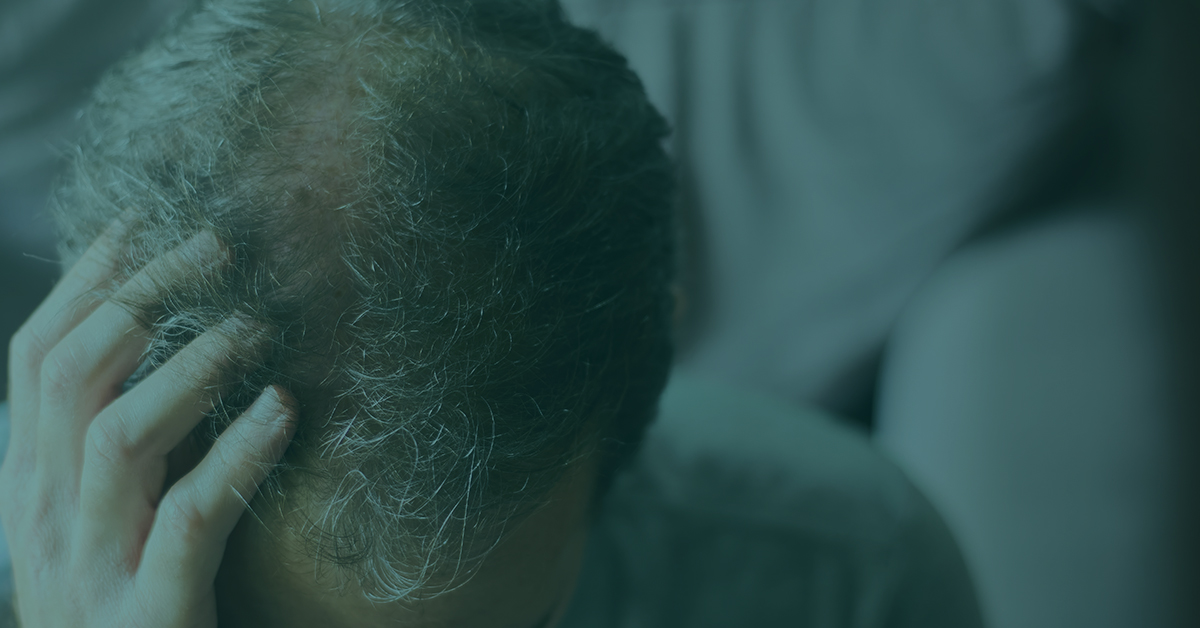
Androgenic alopecia is a form of hair loss that can occur in both men and women, though commonly called male pattern baldness for men and female pattern hair loss in women. It is characterized by a specific patterning of hair thinning and loss due to genetic and hormonal factors.
What Are the Causes of Androgenic Alopecia?
While environmental factors may be a cause, the most well understood cause of androgenic alopecia is genetics. It has been determined that it is related to hormones called androgens, specifically dihydrotestosterone (DHT).
Androgens are a normal part of male sexual development before birth and during puberty, and in males and females it helps regulate hair growth and sex drive. Androgens help control the cycle of hair growth, however too much stimulation of hair follicles by androgens can lead to shorter growth periods of hair. This can lead to shorter and thinner strands of hair and delay the growth of new hair to replace shed strands.
What Triggers Androgenic Alopecia?
While several genes play a role in androgenic alopecia, research has only confirmed that variations in the AR gene are involved in this condition. The AR gene is responsible for creating a protein called an androgen receptor. These receptors allow the body to respond appropriately to DHT and other androgens.
The research shows these variations or mutations can be more easily stimulated by androgens than normal. This is what leads to increased receptor activity in hair follicles that may lead to hair loss.
Because there are so many differing genetic and possible environmental factors, it is unclear what the inheritance pattern for androgenetic alopecia looks like. Though having a close relative with patterned hair loss is a risk factor for developing the condition.
What Does Androgenic Alopecia Look Like?
In men, the hair loss begins above the temples and recedes to form a characteristic “M” shape before progressing to partial or complete baldness. Though with women, the hair becomes thinner on top creating a wider middle part and the hairline does not typically recede. Female pattern hair loss rarely leads to complete baldness.
Can Androgenic Alopecia Be Reversed?
There are treatments that can slow the progression of androgenic alopecia and stimulate hair growth though there is no specific cure. Medications like minoxidil and finasteride are commonly prescribed to encourage hair growth by targeting DHT levels and improving blood circulation to the scalp. Hair transplant surgery offers a more permanent solution by transferring healthy hair follicles from areas resistant to DHT to balding areas.
While also not a cure, making healthier and more balanced lifestyle changes in regard to exercise and diet is always essential to hair health. If you are concerned about hair loss, early intervention and consultation with a dermatologist or hair restoration specialist can be invaluable for understanding concerns and exploring personalized treatment options specific to your situation.
Androgenic Alopecia Can Be Treated
Hair Restoration of Lehigh Valley offers the most advanced hair restoration technology. We offer both ARTAS® and NeoGraft® procedures that give natural-looking results and a faster recovery time. We are happy to answer your questions and fully explain your hair restoration options. Contact us today to set up a free, no-obligation consultation.


[…] restoration is a permanent solution to male and female pattern baldness (MPB or FPB), as well as some other types of hair loss. Donor hair is harvested from areas of the […]