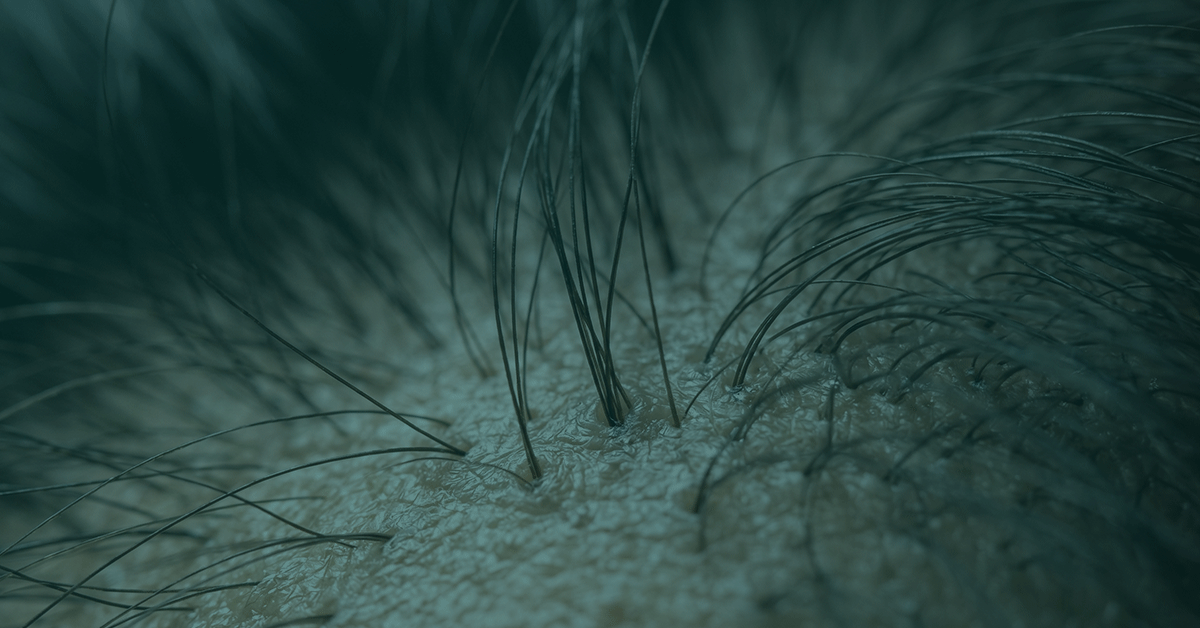
In order to understand hair loss, you need to understand the scalp. People often mistake the scalp as just “skin at the top of the head.” But there is more to it than just that and it is where the most concerning hair loss occurs.
[Read more…]The primary cause of hair loss in individuals remains male or female pattern baldness, also known as androgenic alopecia, and there is little to suggest that will change anytime in the foreseeable future. There are, however, a number of other common causes of hair loss. The third most common cause is autoimmune disease-related hair loss, which impacts approximately 2% of Americans.
[Read more…]Hair growth normally occurs in four stages. The anagen or growth stage, the catagen phase as hair growth slows, the telogen or resting phase where hair is done growing but is not falling out, and the exogen phase where hair begins to shed.
When a person’s hair’s growth cycle is functioning as it should, it is normal to lose 50-100 hairs throughout the day during the exogen phase. It can be alarming to notice an excessive amount of sudden hair loss and understanding the cause can go a long way towards possible treatments and care options.
Anagen Effluvium is a type of hair loss that is most common in patients receiving chemotherapy. It causes a diffuse hair loss that develops quickly and can lead to complete hair loss. When someone has anagen effluvium, hair in the anagen phase is disrupted at the follicle level in a way that causes it to weaken, break, and even shed before completing the normal growth cycle.
[Read more…]Like everything about the human body, hair loss is complicated. It gets even more complicated when you talk about hair loss related to aging. Age-related hair loss is impacted by your health, your environment, your genetics, and your diet. To understand just how involved it is, let us start by looking at your diet and move on from there.
[Read more…]Myriad factors can contribute to hair loss – like genetics, diet, health issues, and more. There is also a lot of folklore and old wives’ tales about hair loss that can confuse the issue.
Does smoking cause hair loss? Does it cause premature greying? If so, is it irreversible? Today we are going to take a look at smoking and whether each of these is a smoking hair loss myth or if it is actually rooted in fact.
[Read more…]The world of dietary supplements for hair growth is bountiful and ever-expanding. Every day seems to bring a new claim that some exotic ingredient will miraculously halt hair loss, regrow lost hair, or make one’s existing hair thicker and stronger. It can be challenging to choose the right supplement to meet one’s hair growth goals, or to understand if supplements are the right choice at all.
[Read more…]Nearly 80 percent of men will face some form of hair loss during the course of their life. Losing one’s hair is so common it is almost a male rite of passage, but it still can have a devastating mental impact on those who experience it.
A thick, full head of hair is seen as a sign of youth and vitality and, when hair loss occurs, it can affect a man’s confidence, self-esteem, body image, and psychological well-being. Some men even experience shame, anxiety, depression, or social withdrawal that can affect their personal and professional relationships.
[Read more…]Telogen effluvium is a form of temporary hair loss that typically happens when a person has experienced extreme stress, shock, or some traumatic event. It is generally reversible by giving it time and making changes to either habit or environment.
[Read more…]The objective of most dieting is to lose something—belly fat, love handles, or just a few extra pounds—but in some cases, a bad diet can cause a loss you do not want… hair loss. It can be super frustrating to find that your new eating style has an unwanted side effect, but it does not have to happen. You can diet without losing your hair, you just have to be careful about it.
[Read more…]In Dublin, the word “uisce” is used for both “water” and “life,” and the Delaware people, original inhabitants of the Lehigh called it “mpi.” No matter the language, around the world it is one of the few universal truths. Water is life.
Most people understand from a very young age that you can only go without water for a couple of days without dying of dehydration. Dehydration affects your body on a massive level from your skin to your hair to your internal organs to your brain function. Everything requires adequate hydration. Yet as Americans an estimated 75 percent of people are chronically dehydrated.
A surprising number of people do not understand what that has to do with the way their body performs. Symptoms of chronic dehydration include everything from brain fog, constant fatigue, and muscle weakness to dry skin, headaches and even hair loss.
[Read more…]

